A subtle but important change is unfolding inside Pakistan’s largest social protection program—and many families may miss it if they’re not paying attention. The next BISP 8171 payment cycle in 2026 is not just another installment. It reflects a behind-the-scenes shift in how payments are verified, released, and protected.
For millions of registered households, especially women-led families, understanding this shift right now can mean the difference between smooth payment and unexpected delay.
What’s the Update – and Why It Matters Now
The Benazir Income Support Programme is tightening how it prepares upcoming payments under the 8171 system. Instead of making public announcements first, the program is quietly updating verification layers, data checks, and release sequencing ahead of the 2026 cycle.
This matters because families who were paid regularly in the past can still face temporary holds if their records don’t align with the updated system.
The Quiet Shift: What Has Actually Changed
The change is not about reducing payments. It’s about how eligibility is confirmed before money is released.
Key internal adjustments include:
-
Stronger CNIC status validation
-
Fresh alignment with NADRA records
-
Priority given to households with recently verified data

-
Slower release for profiles marked “needs review”
This is being done to prevent errors, duplicate payments, and misuse—without disrupting genuine beneficiaries.
How Much Money Is Expected in the 2026 Cycle
For families who remain eligible and verified:
-
Expected installment: PKR 13,500
-
Payment type: Single full installment
-
Deductions: None (BISP does not charge fees)
No increase or cut has been announced at this stage. The amount stays the same, but who receives it on time depends on verification readiness.
Who Is Most Affected by This Shift
You should pay extra attention if:

-
Your CNIC was renewed recently
-
Your household completed a dynamic survey in the last year
-
You changed marital status, address, or family structure
-
Your previous payment was marked “under review”
Even long-time beneficiaries can be affected if records are out of sync.
What You Should Do Right Now
There is no need to panic or rush to offices—but do not ignore this update.
Smart steps:
-
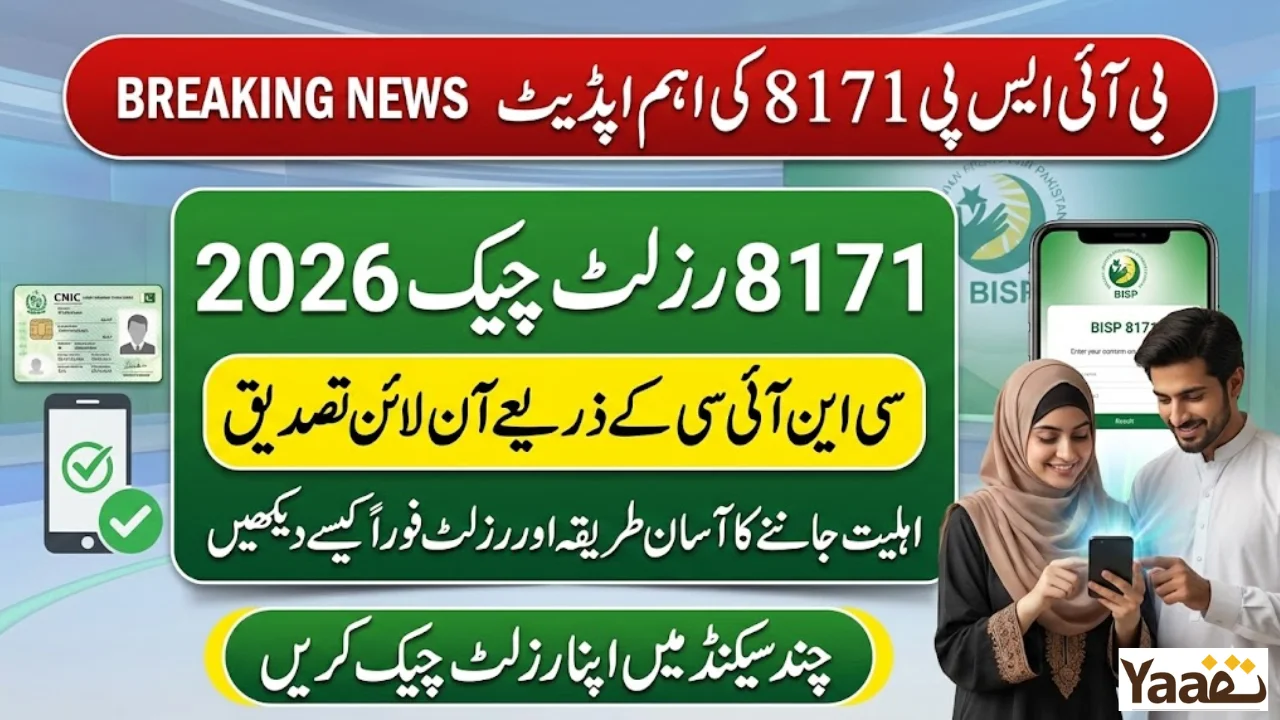
Check your 8171 CNIC status via official channels
-
Ensure your CNIC is valid and active
-
Keep your registered mobile number accessible
-
Trust messages only from 8171
If something is flagged, early correction means no payment interruption.
Important Timing to Keep in Mind
-
Payment preparation: Early 2026
-
Verification checks: Ongoing
-
Installment release: Phased (area-wise)
There is no single nationwide release day, which is why some families may receive funds earlier than others.

Official Context You Should Know
BISP officials have consistently emphasized:
-
Payments are rights-based, not favors
-
Verification is about accuracy, not exclusion
-
No agent or intermediary is authorized to “fix” issues
Any demand for money or “fast-track” help is fraud.
Quick Summary (Read This If You’re Busy)
-
Payment amount remains PKR 13,500
-
Verification rules are stricter but quieter
-
Old beneficiaries can still be affected

-
CNIC alignment is now more important than ever
-
Early checking prevents last-minute stress
FAQs
1. Is the BISP 8171 payment delayed for everyone in 2026?
No. Payments are being prepared in phases. Some families may receive funds earlier than others.
2. Has the payment amount changed for 2026?
No official change. The expected installment remains PKR 13,500.
3. Do I need to re-register to get the next payment?
No re-registration is required unless your record is flagged for review.
4. What is the biggest reason payments get held?
CNIC issues, outdated household data, or mismatches with NADRA records.
5. Should I visit a BISP office now?
Only if your status shows a problem. Otherwise, monitoring through official channels is enough.
A Calm Final Word
This upcoming BISP 8171 payment in 2026 is not about shock changes—it’s about quiet precision. The program is refining its systems to protect both public funds and deserving families.
If your documents are in order, there is nothing to fear. A simple status check today can save weeks of worry later. Stay informed, stay patient, and rely only on official information.